Zone 6b is a hardiness zone that describes areas where the coldest night of a typical winter falls between −5°F and 0°F. Hardiness zones tell you which perennials, shrubs and trees will survive your winters.
| Zone | Typical coldest winter night |
|---|---|
| 6a | −10°F to −5°F |
| 6b | −5°F to 0°F |
| 7a | 0°F to 5°F |
What a hardiness zone measures
The USDA Plant Hardiness Zone Map divides the country by its average annual extreme minimum temperature: the lowest temperature a place usually hits each winter, averaged over 30 years. Each zone spans 10°F, and each is split into an “a half” (colder) and a “b half” (warmer), 5°F apiece.
The current map came out in November 2023, built on weather from 1991 to 2020 at more than 13,000 stations. About half the country shifted half a zone warmer, so if you looked up your zone before 2023, check again. Plants already in the ground don’t need replacing, but you may find new possibilities are available to you.
Find your zone by ZIP code on the USDA’s Plant Hardiness Zone Map.
What zone 6b doesn’t tell you
Zone 6b is a measure of winter cold, nothing more. It doesn’t say anything about humidity, soil type, or when first and last frosts happen. For example, most of Rhode Island is also zone 6b, and a Rhode Island gardener and a Utah County gardener will face vastly different challenges. In the Mountain West, four things a zone map leaves out often matter more:
- Late spring frosts. Ours vary from March to June. Your last frost date, not your zone, sets your planting calendar.
- Alkaline soil. Most Utah soil is strongly alkaline, which makes acid loving plants like blueberries and azaleas realllly tricky no matter how hardy they are.
- Dry air and wind. Winter wind dries out evergreens and borderline plants.
- Elevation. Moving up the bench or down toward the lake can shift your frost dates by weeks, as well as affect daily temperature swings, which can stress plants.
What grows well in zone 6b
Vegetables. Nearly everything in a classic summer garden: tomatoes, peppers, squash, beans, corn, lettuce, peas, garlic and more. Vegetable success here is about frost dates and season length, and much less about hardiness zone.
Perennials, shrubs and trees. Anything rated for zone 6 or colder. A plant tag that says “hardy to zone 4” or “zones 3–8” is a safe bet in 6b. Tags that start at zone 7 are a gamble. Keep in mind that some fruit trees actually require a good chill period and will do better here than a place that doesn’t get cold winters. These are often indicated by a hardiness zone ceiling.
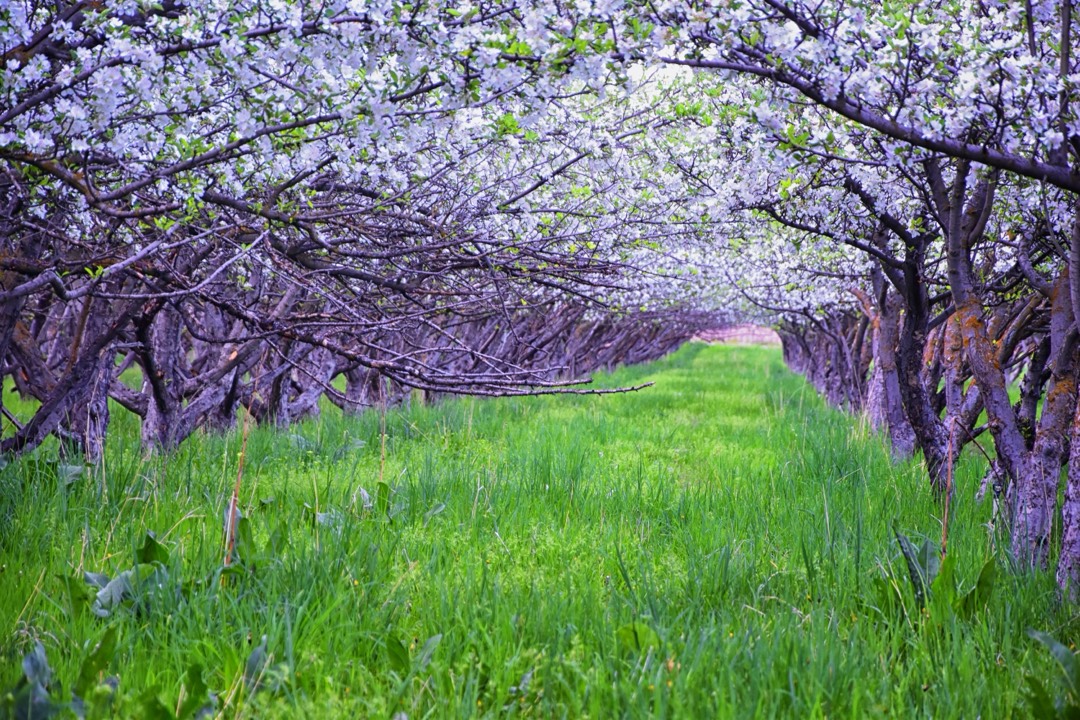
Fruit. Apples, pears, plums, cherries and peaches all grow in zone 6b. Choose cold-hardy varieties, and favor late bloomers where spring frosts linger. A late spring frost or freeze can, and has many times, wrecked an early set of blossoms or fruit.
What might grow, might not? Rosemary, figs and other zone 7 favorites may make it through a mild winter against a warm south wall, and die in the next bitter cold winter. These are so tempting, especially for those of us who grew up in slightly warmer climes like myself. My siblings and I spent early childhood climbing a giant fig tree in our yard and playing in hills covered in rosemary. There are some varieties of these plants that will do better here, like Arp Rosemary or Chicago Hardy Figs, but don’t assume the plant center has done this research for you. You can always grow the maybes in pots you can bring into a garage, or treat them as annuals.
Notes from My Garden
A classic tale of love and loss and... love again? I lived abroad in Italy for a while, where I fell in love with artichokes. Artichokes are a bit tricky, as they need a cool period early in their season to enable fruiting, but at the same time, they’re not necessarily known as a hardy vegetable all around.
Enter my quest to make Colorado Globe Artichoke take in my yard. The first year, I nailed it, and got several delicious artichokes. I tried again the following year and got nothing but small flowers that weren’t good for a harvest. The year after that, it was killed from a late frost. But much to my surprise, the previous year had seeded itself and somehow worked out its own timing, so I had several large plants pop up in surprising places.
Just goes to show you that microclimates and hardiness zones can be a little unpredictable.
Is zone 6b the same as zone 6?
Zone 6 has two halves. Zone 6a runs from −10°F to −5°F; zone 6b, from −5°F to 0°F. If a tag says “zone 6”, that means the plant should survive both.
Can I grow plants rated for a warmer zone?
You’re courting heartbreak, but you can try it. And in this case super local knowledge about your yard is power. Warm pockets in your yard (a south-facing wall, a sheltered corner, a spot near the house) can buy a plant a bit of extra warmth. Mulch helps roots through the cold. But a zone 7 plant in a zone 6b garden is a bet, not a sure thing.
Common mistakes
- Using the zone to time planting. Zones are about winter survival. Plant by your last frost date.
- Trusting the zone alone. A plant can be perfectly hardy and still sulk in alkaline soil or a windy spot.
- Using an old zone. Check the 2023 map; yours may have changed.