
Iconic Garden Designer Series
Beth Chatto’s Gravel Garden, for a Utah Yard
By Kenny Baldwin · November 13, 2026
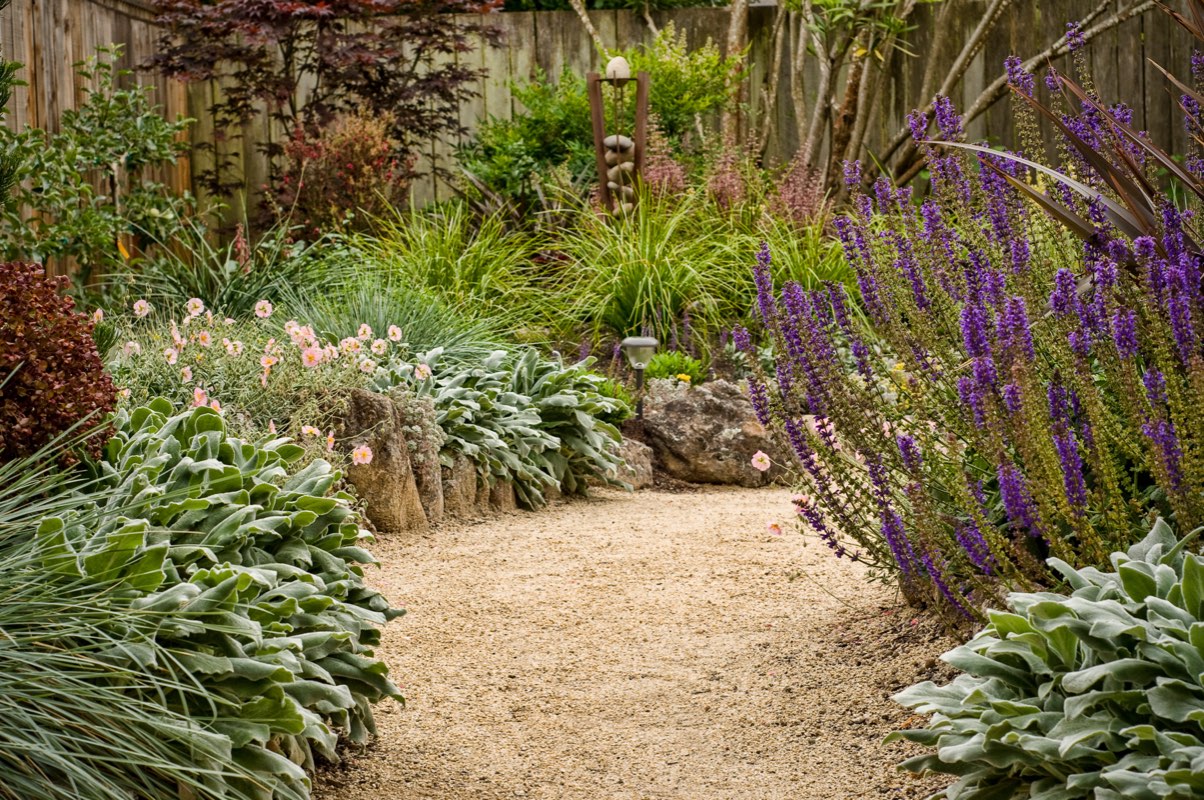
Beth Chatto is an iconic British garden designer. Perhaps her most famous garden is called the Gravel Garden, and the planting philosophy behind it adapts rather well to Mountain West yards wishing to embrace water conservation.
Chatto’s big idea was simple. Put the right plant in the right place. She encouraged gardeners to stop fighting their conditions and choose plants already suited for a place.
She planted the Gravel Garden on an old car park in Essex, and the garden’s big claim to fame is that it hasn’t been watered since the plants went in.
You read that right. No watering at all.
But before we get too excited, remember that Great Britain has more rainfall and moisture than most of the Mountain West. Still, the theory behind her method works here well. Technically, it may be possible to have a no-water garden here, but most gardeners I know would be content with a minimal watering garden. This guide pairs her ideas with plant substitutions that thrive locally.
- The big idea
- Right plant, right place
- What translates well
- Deep soil prep once, water only to establish, gravel mulch, island beds, editing self-seeders
- What doesn’t
- Several of her Mediterranean plants are too tender for a zone 6b winter
- Start with
- Russian sage, foxtail lily, bearded iris, Rocky Mountain penstemon, blue grama grass
Who was Beth Chatto?


Beth Chatto (1923–2018) began her garden in 1960 on a patch of wasteland on her family’s fruit farm in Essex. For those that don’t know, Essex is one of the driest corners of England. Her husband, Andrew, spent a lifetime researching where plants grow in the wild, and why. Her husband’s studies influenced her approach heavily.
How much of a garden icon was Beth? Well, she won ten gold medals in a row at the Chelsea Flower Show, from 1977 to 1987. She wrote the widely acclaimed garden manual The Dry Garden in 1978. In 1991, she began turning her property’s three-quarter-acre car park into a garden that would rely on rain alone.
How she built the Gravel Garden
- She fixed the soil once, deeply. Chatto attacked the car park’s compacted soil by breaking it up to about 2 feet down. Then she dug compost into all the beds. When you think about doing this to a full three-quarter acre, it must have been no small task.
- She shaped the garden like a dry riverbed. She lined a winding gravel path with planted beds resembling islands and inlets. She marked out the curves with garden hoses before digging.
- She watered each plant in at planting, then never watered again. This is the great caveat. On planting day, every pot was soaked and then watered in well with a hose. After that, rain has been the garden’s only water ever since.
- She waited a year to mulch. The first year, the beds went without gravel. Bare soil made it easy to hoe out weed seedlings. But after that came 1 to 2 inches of small gravel.
- She kept the garden lean. She used no fertilizer and no weed fabric. Plants that wilt in a hot summer get cut back by about half, but recover by autumn. Caretakers thin self-sown seedlings only to the strongest plant or two, so the garden doesn’t spread and multiply without check. This is important given that water is a scarce resource and an overabundance of plants might struggle.
Five takeaways for a Mountain West yard
1. Prepare the soil once, then leave it alone. Just like Chatto did, break up compacted soil and dig in compost before you plant, especially in heavy clay. After that, skip the fertilizer: lean soil keeps dry-garden plants compact and tough. They will learn to find what they need. Our soil is alkaline, too, and a dry garden is not the place to test unsatisfactory soil conditions.
2. Water to establish, then wean. In recent years, Chatto’s garden in Essex has gotten roughly 20 to 24 inches of rain a year. Compare that to Provo, which averages about 17, and Salt Lake City (about 15.5). Plan on regular watering the first season, then cut back to a deep soak every week or two in high summer. Most plants in the list below do well on about half an inch every 10 to 14 days once established.
3. Use gravel, and skip the fabric. Believe it or not, gravel can keep your soil cool. But only if you put down an honest inch or two. The sun will heat the topmost rock, so if your only layer of gravel is that heated layer, it won’t really help with water retention. A thick enough gravel also keeps weeds down and lets plants seed around. It might sound scary, but a good thick layer of gravel beats out weed fabric over time.
4. Plant islands, not rows. Often, rock-heavy gardens look uninviting, but you can fight that by making sure they mimic natural river shapes. Borrow Chatto’s trick: lay out islands, inlets, and current “shorelines” with a garden hose. Live with the outline for a few days to make sure you like the layout before you dig.
5. Let it seed, then edit. Dry gardens fill in by self-seeding. Let it happen, then thin the seedlings hard. And leave stems and seed heads standing through winter. Russian sage and blue grama both look their best in the snow.
My Chatto’s Gravel Garden Zone 6b Plant Swap Sheet
| Her plant | In zone 6b | Mountain West pick |
|---|---|---|
| Foxtail lily (Eremurus ‘Cleopatra’) | Yes, hardy to zone 5 | Keep it: it grows great at Conservation Garden Park in West Jordan |
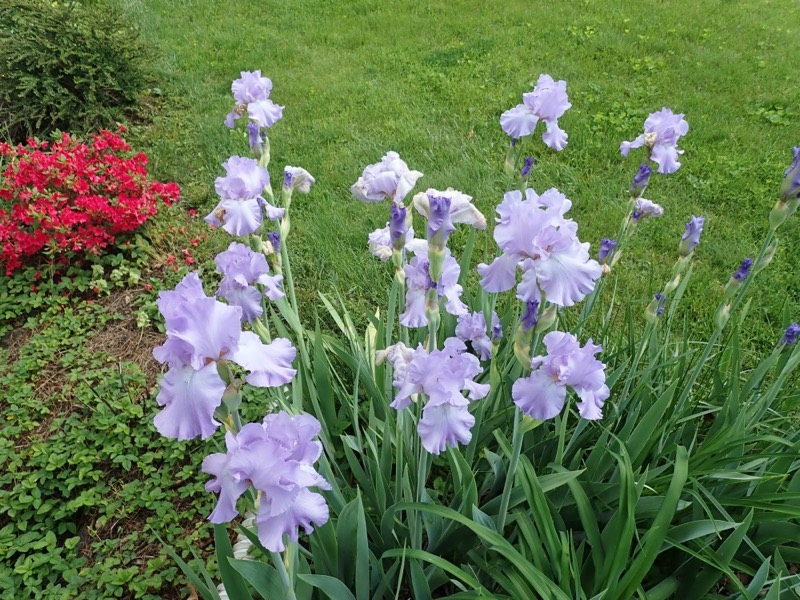
| Bearded iris (Iris ‘Jane Phillips’) | Yes, bearded irises are hardy to zone 3 | Keep it |
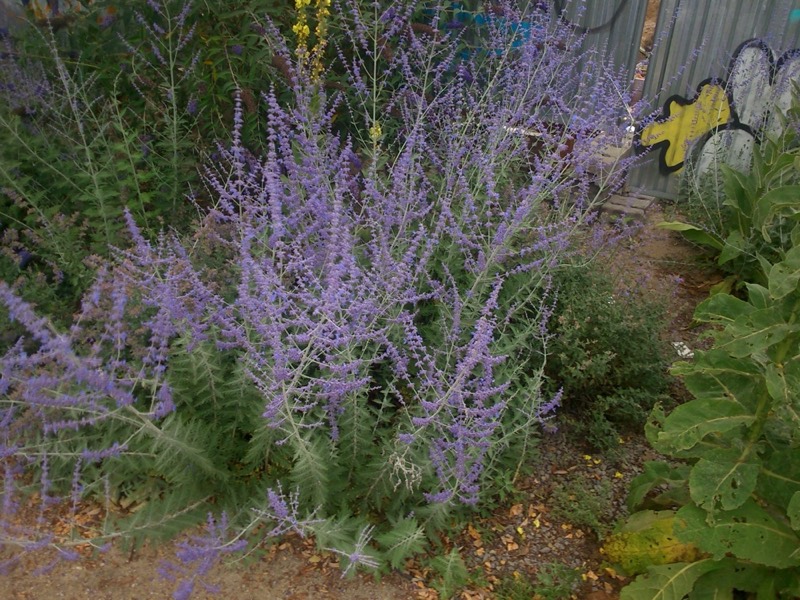
| Russian sage (Salvia ‘Blue Spire’) | Yes, hardy to zone 5 | Keep it |
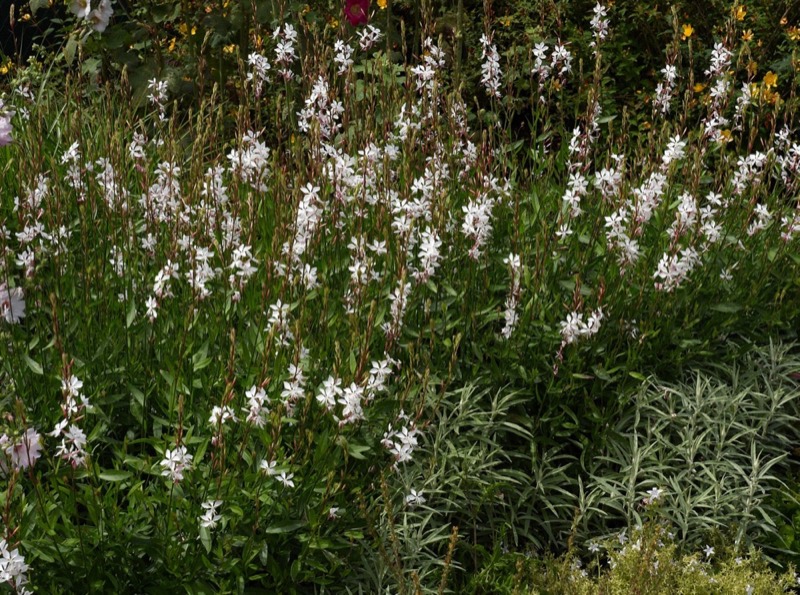
| Gaura (Oenothera lindheimeri) | Yes, hardy to zone 5 | Keep it, in lean soil, or it flops |
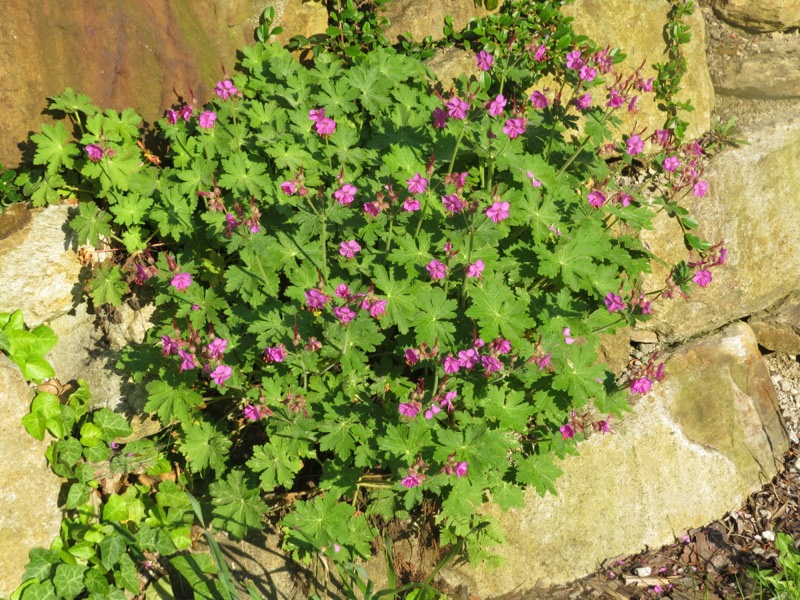
| Bigroot geranium (Geranium macrorrhizum), for dry shade | Yes, hardy to zone 3 | Keep it |
| Mediterranean spurge (Euphorbia characias subsp. wulfenii) | Iffy. It’s rated to zone 6 | For evergreen structure, try curl-leaf mountain mahogany (Cercocarpus ledifolius), a Utah native |
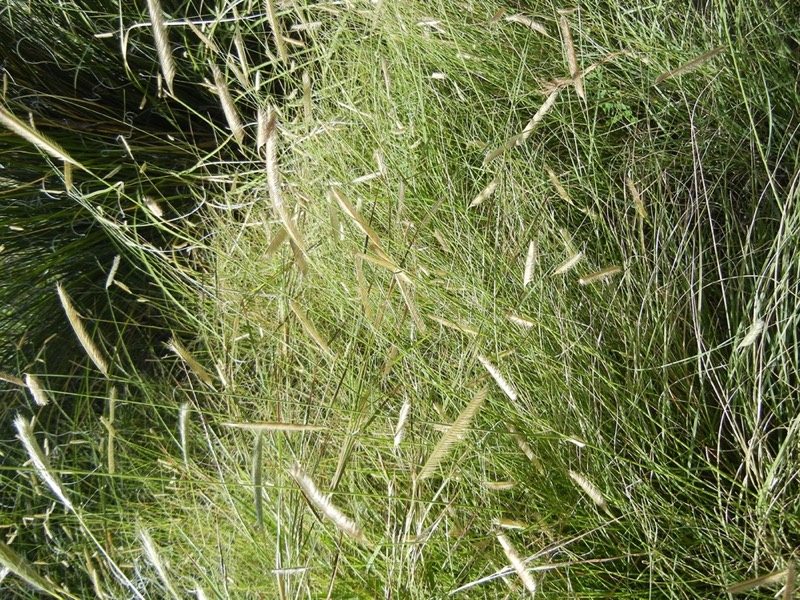
| Giant feather grass (Stipa gigantea) | Iffy. It’s rated to zone 6 | Try blue grama ‘Blonde Ambition’ (Bouteloua gracilis), with seed heads that last all winter |
| Big spires and rosettes (Verbascum) | May be worth trying | If you don’t want to risk it, try Rocky Mountain penstemon (Penstemon strictus), a Utah native with blue-purple spires in May and June |
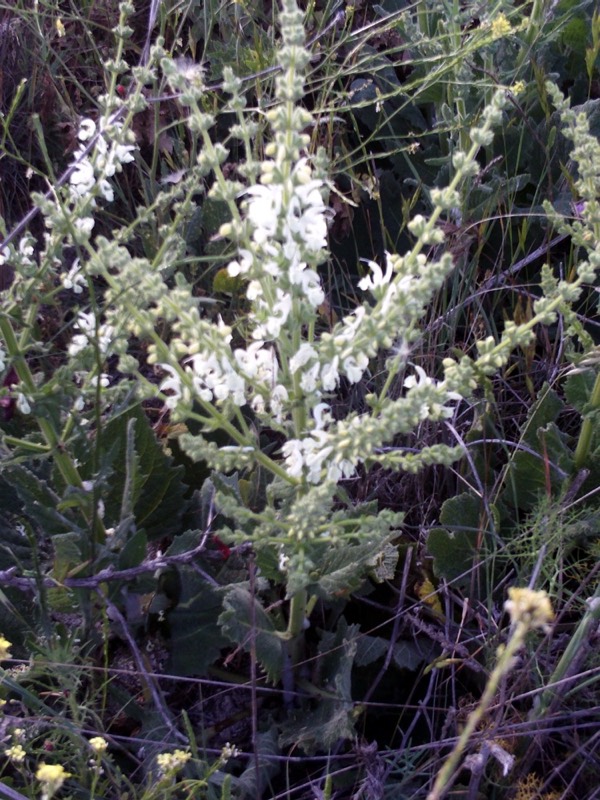
| Honey bush (Melianthus major), for big, bold silvery leaves | Sadly, it’s too tender | Try silver sage (Salvia argentea). It’s got huge, woolly silver rosettes, hardy to zone 5. It’s short-lived, so let it seed. |
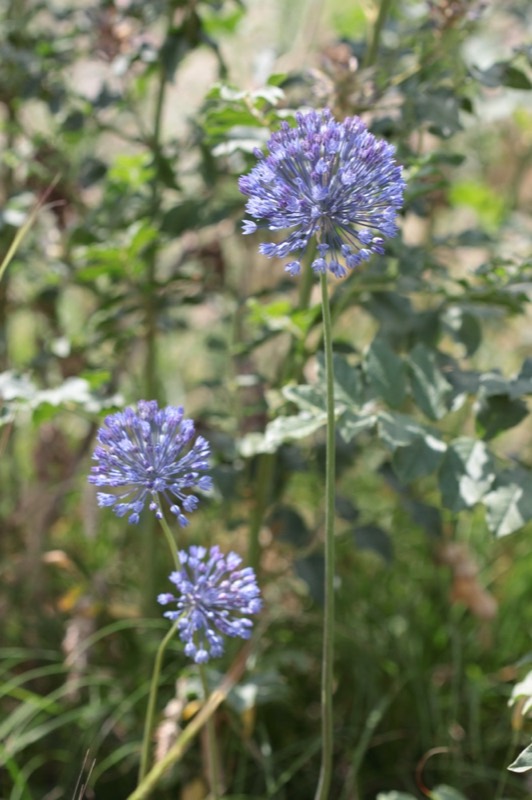
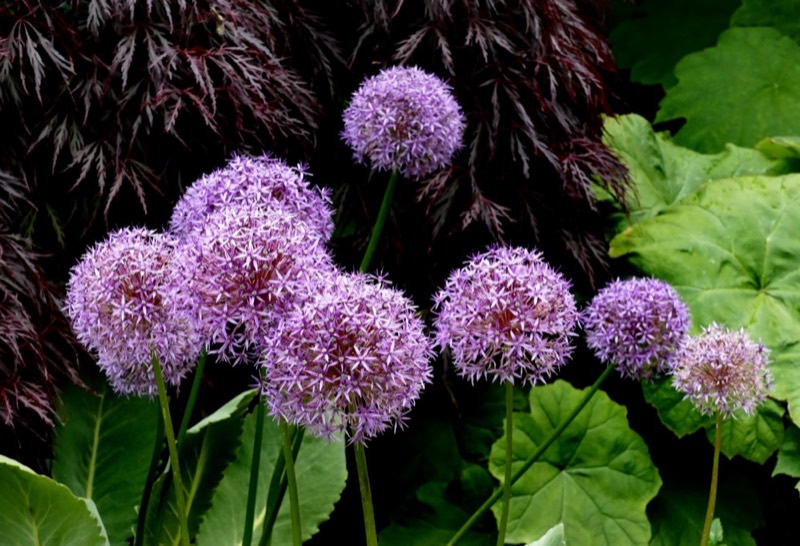
| Agapanthus, for blue globes over strappy leaves | Sadly, it’s too tender | Consider blue globe onion (Allium caeruleum), hardy to zone 4. For bigger, purple globes, ‘Globemaster’ onion, hardy to zone 5 |
| Mount Etna broom (Genista aetnensis), for an airy shower of yellow | Sadly, it’s too tender | Try rubber rabbitbrush (Ericameria nauseosa), a Utah native that turns gold in late summer and needs no water once established |
For a low evergreen carpet between stepping stones, you may try adding Turkish speedwell (Veronica liwanensis), which takes sun, shade and drought.
Meet the Mountain West picks
-
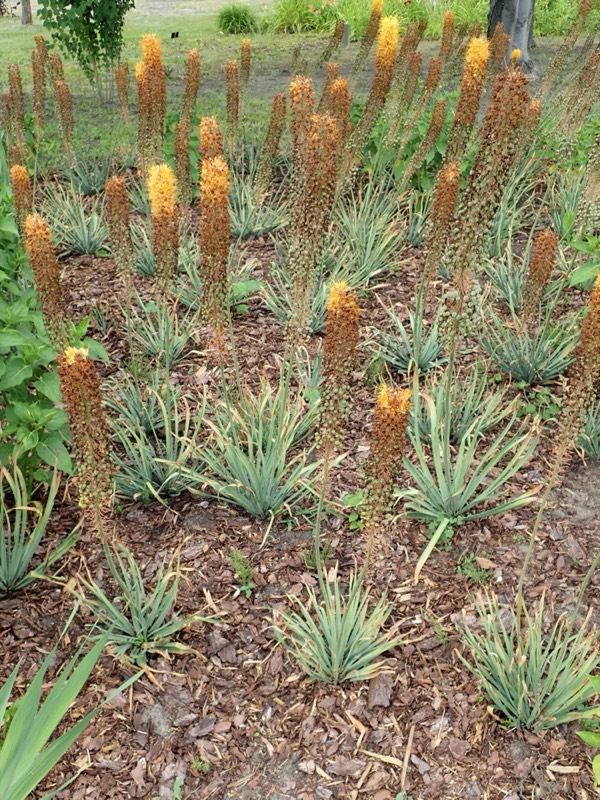 Keep it
Foxtail lily ‘Cleopatra’
Eremurus ‘Cleopatra’
Photo: Krzysztof Ziarnek, Kenraiz, CC BY-SA 4.0, resized
-
-
-
-
-
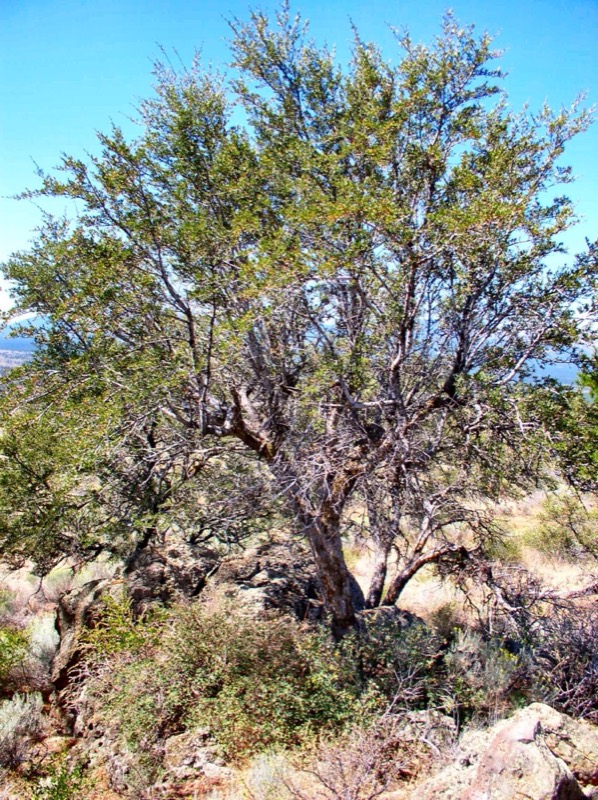 Instead of Mediterranean spurge
Curl-leaf mountain mahogany
Cercocarpus ledifolius
Photo: USDA Forest Service, Pacific Southwest Region 5, public domain
-
-
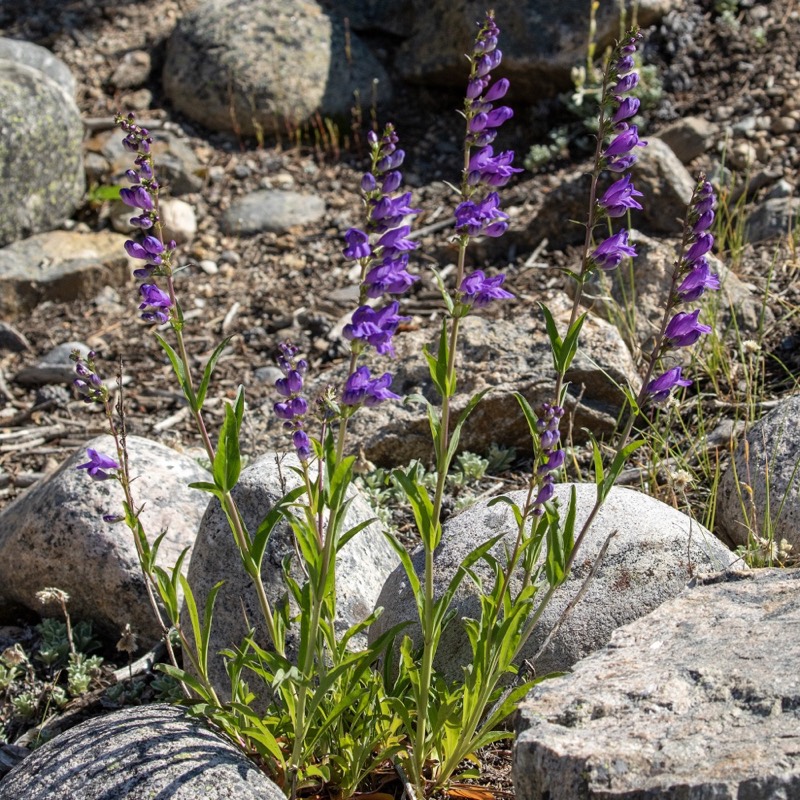 Instead of verbascum
Rocky Mountain penstemon
Penstemon strictus
Photo: Dan Vickers, CC BY 4.0, resized
-
-
-
-
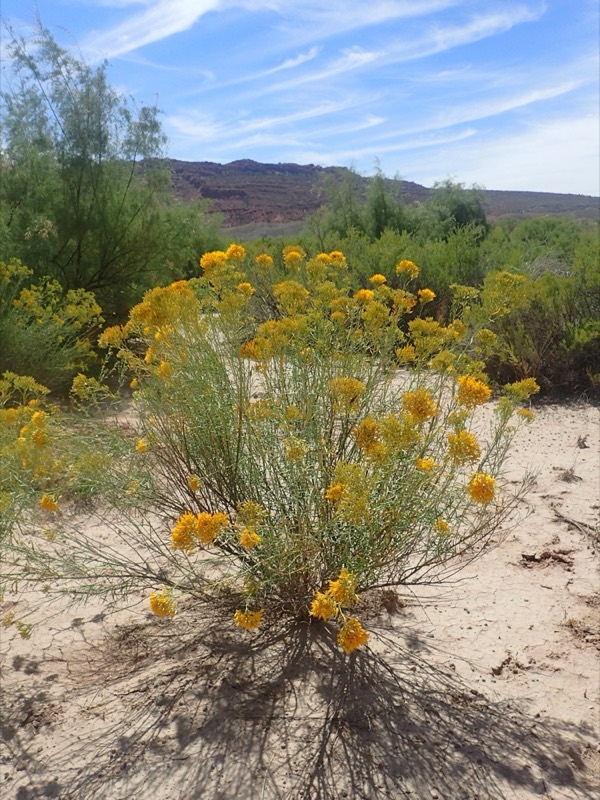 Instead of Mount Etna broom
Rubber rabbitbrush
Ericameria nauseosa
Photo: Krzysztof Ziarnek, Kenraiz, CC BY-SA 4.0, resized
-
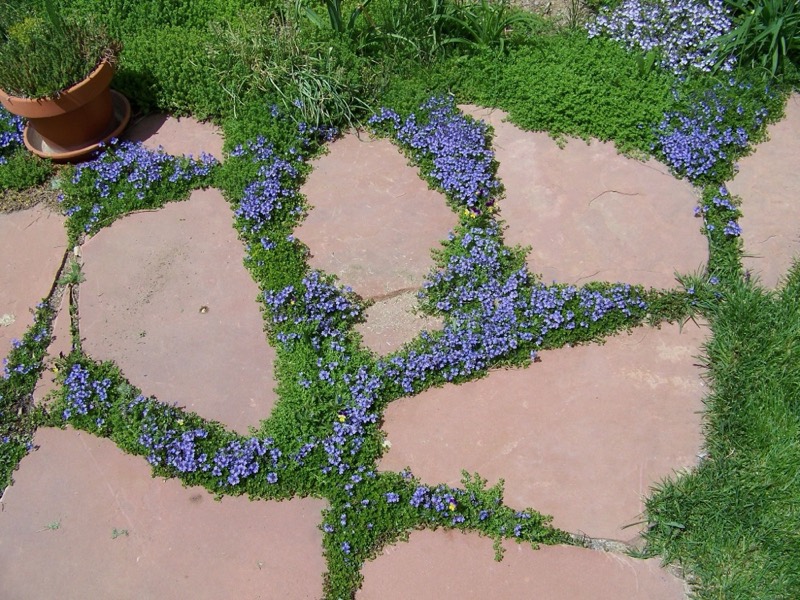 Between stepping stones
Turkish speedwell
Veronica liwanensis
Photo: Patrick Standish, CC BY 2.0, resized


Can you really have a garden you never water in Utah?
I’m not confident about it, but a few true natives, once established, come really close. Curl-leaf mountain mahogany, for one, needs water only to get started. But for most dry-garden plants, “never watered” is an Essex luxury.
It’s also worth noting that some plants will survive with virtually no water even though they’ll look all but dead in the summer. If you’re looking for healthy visually interesting landscapes in Utah, I’d plan for at least a little bit. Water deeply and rarely, which saves far more water than a lawn.
Where can I see a garden like this in Utah?
Conservation Garden Park in West Jordan grows many of these plants, including foxtail lily ‘Cleopatra’ and curl-leaf mountain mahogany, so you can see how they look in a Utah summer before you buy.
Where you might go wrong following in Beth’s footsteps
- Buying her plant list wholesale. Not all of her Essex plants will do well here. Check hardiness first. Some won’t survive our winters.
- Laying weed fabric under the gravel. I know it sounds crazy, but it works against your desirable plants self-seeding and actually can make weeding harder. Invest in a thicker layer of gravel, and the gravel will block out just as much light as the weed barrier.
- Feeding and overwatering. Rich, wet soil makes dry-garden plants lanky and floppy.
- Cutting everything down in fall. Leave the stems for winter interest and cut back in spring. After all, in some places in the Mountain West “winter” means five or six months!
Last updated November 13, 2026
Sources
- Beth Chatto’s Gravel Garden: creation and maintenance
- The story of the Beth Chatto Gardens
- Our five-year rainfall totals, Beth Chatto Gardens
- Beth Chatto: The Gravel Garden, Garden Museum
- In memory of Beth Chatto, Gardens Illustrated
- Average annual precipitation for Utah, Current Results (NCEI 1991–2020 normals)
- Conservation Garden Park plant pages: foxtail lily ‘Cleopatra’, bearded iris, Russian sage, gaura, bigroot geranium, curl-leaf mountain mahogany, blue grama ‘Blonde Ambition’, Rocky Mountain penstemon, Turkish speedwell, silver sage, blue globe onion, ‘Globemaster’ onion, rubber rabbitbrush
- Euphorbia characias, NC State Extension
- Stipa gigantea, Perennials.com